Imagine discovering a serious health condition before it becomes life-threatening—all through a simple, affordable screening test. For millions of Americans, early detection could be the difference between managing a condition successfully and facing devastating health consequences. Yet, with healthcare costs soaring, many people skip essential screenings, unknowingly putting their lives at risk.
The statistics are sobering: 7.3 million adults have undiagnosed diabetes, 14 million people are unaware they have hypertension, and one in 300 youth has an undiagnosed heart condition that could cause sudden cardiac arrest. These numbers represent real people whose lives could be dramatically improved—or even saved—through accessible preventive screening.
The good news? You don’t need expensive insurance or costly medical visits to monitor your health. From free community screening events to affordable at-home testing kits and innovative online tools, numerous resources are available to help you take charge of your health without breaking the bank.
This comprehensive guide will walk you through the best free and low-cost screening options for heart health, diabetes, thyroid conditions, and more, empowering you to make informed decisions about your preventive healthcare.
Heart Health Screening: Protecting Your Most Vital Organ
Heart disease remains the leading cause of death globally, yet many cardiovascular conditions can be prevented or effectively managed when detected early. Fortunately, numerous free and affordable resources are available to assess your heart health.
Free Online Risk Assessment Tools
PREVENT Risk Age Calculator Northwestern University offers this powerful free online tool that calculates your biological heart age compared to your actual age. By inputting information about your blood pressure, cholesterol levels, smoking history, and current medications, you receive a personalized cardiovascular disease risk assessment. This tool provides valuable insights into how your lifestyle choices are affecting your heart health.
NHS Heart Age Calculator Available for ages 30-95, this free calculator compares your real age to your heart age using comprehensive health data. While originally designed for UK residents, the methodology is applicable globally and provides excellent baseline information for heart health awareness.
American Heart Association CV Risk Calculator This modified ASCVD (Atherosclerotic Cardiovascular Disease) Risk Calculator provides a 10-year cardiovascular disease risk assessment. It’s particularly valuable for individuals without existing heart disease who want to understand their future risk levels.
Reynolds Risk Score Specifically designed for non-diabetic individuals, this tool evaluates heart disease risk by including factors often overlooked by other calculators, such as family history and C-reactive protein levels—a marker of inflammation that’s increasingly recognized as important for heart health.
Community-Based Free Screening Programs
CVS Project Health One of the largest free health screening programs in the United States, CVS Project Health operates over 1,600 screening events annually across 45 markets in the US and Puerto Rico. These events offer comprehensive testing including:
- Blood pressure measurements • Cholesterol screenings • Blood glucose testing • BMI calculations • Health education and counseling
No insurance is required, and remarkably, 25% of participants discover previously unknown health conditions that require medical attention.
Henry Ford Health’s Healthy Heart Program Operating since 2005, this program has served over 10,000 patients through free screening events. Their comprehensive approach includes EKG testing, blood pressure monitoring, BMI assessments, and blood glucose screening, along with personalized health counseling.
Hospital-Based Free Heart Screening Programs
TidalHealth Heart Smart Screenings These comprehensive heart disease risk assessments include fasting lipid profiles, 12-lead EKGs, and body composition analysis. The program focuses on early detection and provides participants with detailed reports they can share with their healthcare providers.
UC Davis Youth Heart Screening Targeting individuals aged 12-25, this free program includes cardiac risk assessments, EKG testing, and physician review. It’s particularly valuable for detecting heart conditions in young people that could lead to sudden cardiac events.
At-Home Heart Health Monitoring
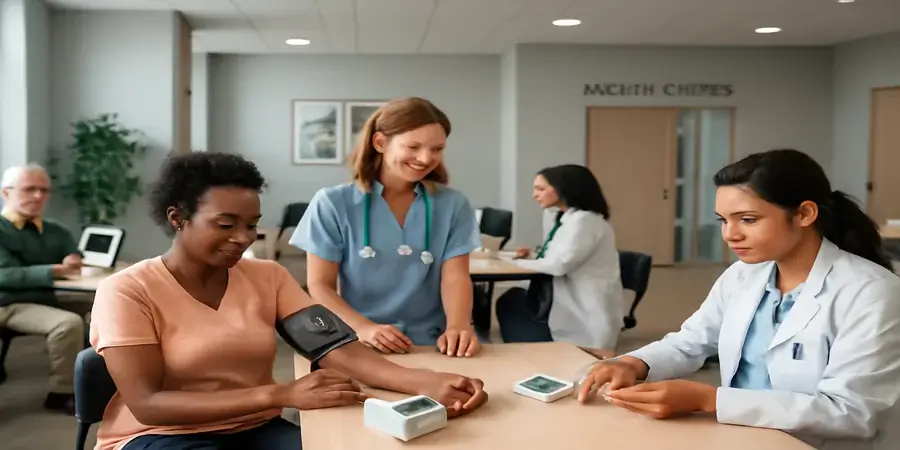
Blood Pressure Monitors Affordable digital blood pressure monitors (ranging from $20-$50) allow for regular home monitoring. Many community health centers and libraries also loan blood pressure monitors for free short-term use.
Smartphone Apps Several apps can measure heart rate using your phone’s camera and flashlight. While not medical-grade, they provide useful baseline information for tracking trends over time.
Diabetes Screening: Early Detection for Better Management
Diabetes affects millions of Americans, with a significant portion remaining undiagnosed until complications arise. Early screening and intervention can prevent or delay the onset of Type 2 diabetes and its associated health risks.
Medicare Coverage for Diabetes Screening
Medicare Part B provides excellent coverage for diabetes screening, offering up to two blood glucose screenings annually for at-risk individuals. You qualify if you have:
- High blood pressure • Obesity (BMI over 30) • Abnormal cholesterol levels • Family history of diabetes • Previous gestational diabetes
Additionally, the Medicare Diabetes Prevention Program offers free lifestyle change programs for pre-diabetics with a BMI of 25 or higher, including 16 core educational sessions and six follow-up sessions.
Specialized Free Testing Programs
TrialNet Pathway to Prevention This remarkable program offers free Type 1 diabetes risk screening for relatives of T1D patients (ages 2-45) and individuals testing positive for diabetes autoantibodies. The program provides ongoing monitoring and cutting-edge research participation opportunities.
Teladoc Health Diabetes Management Many employers and health plans offer this free program, which includes unlimited test strips, smart glucose meters, and access to expert coaching. Check with your HR department or insurance provider to see if this benefit is available to you.
Community Resources for Diabetes Screening
NIDDK Diabetes Prevention Program Based on proven research, these lifestyle intervention programs are available through community partners like YMCAs, community centers, and healthcare organizations. The programs focus on sustainable lifestyle changes that can prevent or delay Type 2 diabetes.
Federally Qualified Health Centers (FQHCs) These centers operate on sliding fee scales based on income, making diabetes screening and management affordable for individuals regardless of insurance status.
At-Home Diabetes Screening Options
Glucose Meters Basic glucose meters are available for $10-$30, with test strips ranging from $0.20-$1.00 each. Many pharmacies offer free meters with the purchase of test strips.
HbA1c Test Kits At-home HbA1c tests (showing average blood sugar over 2-3 months) are available for $25-$40 and provide valuable long-term diabetes management information.
Thyroid Screening: Monitoring Your Metabolic Engine
Thyroid disorders affect millions of people, often going undiagnosed for years while causing fatigue, weight changes, and other quality-of-life issues. Fortunately, thyroid screening is relatively inexpensive and widely available.
Medicare and Insurance Coverage
Medicare Part B covers two annual thyroid tests when medically necessary, with full coverage after meeting the annual deductible (currently $257). Coverage criteria includes:
- Symptoms of hypothyroidism or hyperthyroidism • Family history of thyroid disease • Autoimmune disorders • Fertility issues • Regular monitoring for existing thyroid conditions
Community Thyroid Screening Programs
Hospital for Endocrine Surgery This organization provides free thyroid ultrasound screenings at community events, wellness retreats, and health expos throughout the year. These screenings can detect thyroid nodules and structural abnormalities that might not show up in blood tests alone.
Macon Community Hospital During January, this hospital offers free TSH (Thyroid Stimulating Hormone) screenings Monday through Friday from 7 AM to 5 PM, providing accessible testing during National Thyroid Awareness Month.
College and University Programs Many educational institutions partner with local hospitals to offer free thyroid screening camps, particularly during health awareness weeks or community outreach events.
Low-Cost Thyroid Testing Options
Private laboratories offer comprehensive thyroid profiles including TSH, Free T3, and Free T4 testing for approximately $30-$50 when paid out-of-pocket. Community health centers typically offer these tests on sliding fee scales based on income, making them accessible to individuals with limited financial resources.
Additional Free and Low-Cost Screening Resources
National Organizations Providing Free Healthcare
National Association of Free & Charitable Clinics This network operates over 1,400 free clinics serving 1.7 million patients annually across the United States. These clinics provide comprehensive primary healthcare services, including preventive screenings, regardless of insurance status or ability to pay.
Americares Free Clinics Operating four locations, these clinics provide primary healthcare services with volunteer medical professionals, offering high-quality care at no cost to patients.
Community Health Centers and Resources
HRSA Find a Health Center This federal database helps you locate community health centers in your area that offer services on sliding fee scales based on income. These centers provide comprehensive healthcare services, including preventive screenings.
Local Health Departments Most county and city health departments offer free or low-cost screening events throughout the year. These events often include multiple health screenings in one convenient location.
Faith-Based Organizations Many churches and religious centers host annual health fairs featuring free screenings, health education, and connections to local healthcare resources.
Quick Comparison: Free vs. Low-Cost Screening Options
| Screening Type | Free Options | Low-Cost Options | Frequency |
| Blood Pressure | CVS Project Health, Community events | Home monitors ($20-$50) | Monthly |
| Cholesterol | Hospital screenings, Health fairs | Lab tests ($25-$75) | Annually |
| Diabetes | Medicare covered, TrialNet | Home glucose tests ($10-$30) | As needed |
| Thyroid | Community hospital events | Lab TSH test ($30-$50) | Annually |
| Heart Health | Free clinic EKGs | Online risk calculators (Free) | Annually |
Making the Most of Your Screening Results
Once you’ve completed your health screenings, it’s important to:
- Keep detailed recordsof all test results and dates • Share results with your primary care physicianfor professional interpretation • Follow up on any abnormal results immediately • Schedule regular screenings based on your risk factors and age • Use results to motivate positive lifestyle changes
Remember that screening tools are meant to identify potential issues early, not to diagnose or treat conditions. Always consult with healthcare professionals for proper medical evaluation and treatment recommendations.
Conclusion: Your Health is Worth the Investment
Preventive health screening is one of the most cost-effective investments you can make in your future. With the abundance of free and low-cost screening options available, financial barriers should never prevent you from monitoring your health.
Whether you’re using online risk calculators, attending community screening events, or purchasing affordable at-home testing kits, the key is consistency and follow-through. Early detection of heart disease, diabetes, thyroid disorders, and other conditions can literally save your life while significantly reducing long-term healthcare costs.
Take action today: identify the screening resources available in your community, mark your calendar for regular testing, and make preventive healthcare a priority. Your future self will thank you for the proactive steps you take today.
Frequently Asked Questions
Are free health screenings as accurate as those performed in doctor’s offices?
Free community health screenings typically use the same equipment and follow the same protocols as medical offices. However, they’re designed for screening purposes, not diagnosis. Any abnormal results should be confirmed with your healthcare provider for proper medical evaluation and treatment planning.
How often should I get screened for heart disease, diabetes, and thyroid conditions?
Screening frequency depends on your age, risk factors, and family history. Generally, blood pressure should be checked annually (more frequently if elevated), cholesterol every 4-6 years for low-risk individuals, diabetes screening every 1-3 years for high-risk individuals, and thyroid screening when symptoms are present or based on risk factors. Consult your healthcare provider for personalized recommendations.
What should I do if I can’t afford follow-up care after a screening shows abnormal results?
Don’t ignore abnormal results due to cost concerns. Contact community health centers that offer sliding fee scales, look into patient assistance programs from pharmaceutical companies, check if you qualify for Medicaid or other government assistance programs, and ask hospitals about their charity care policies. Many resources are available to help with follow-up care.
Can I rely on at-home testing kits for monitoring my health conditions?
At-home testing kits are excellent tools for monitoring trends and managing known conditions under medical supervision. However, they shouldn’t replace professional medical care for diagnosis or treatment decisions. Use them as part of a comprehensive health management plan that includes regular communication with your healthcare provider.
How do I find free health screening events in my area?
Check with your local health department, visit hospital websites for community outreach programs, contact the United Way for local resource information, follow community organizations on social media for event announcements, and call 211 for comprehensive information about health resources in your area.
What information should I bring to a free health screening event?
Bring a valid photo ID, list of current medications (including dosages), family medical history information, any previous test results for comparison, insurance cards if you have them, and a list of questions you want to ask the healthcare providers. Wear comfortable clothing and avoid caffeine before blood pressure screenings for the most accurate results.