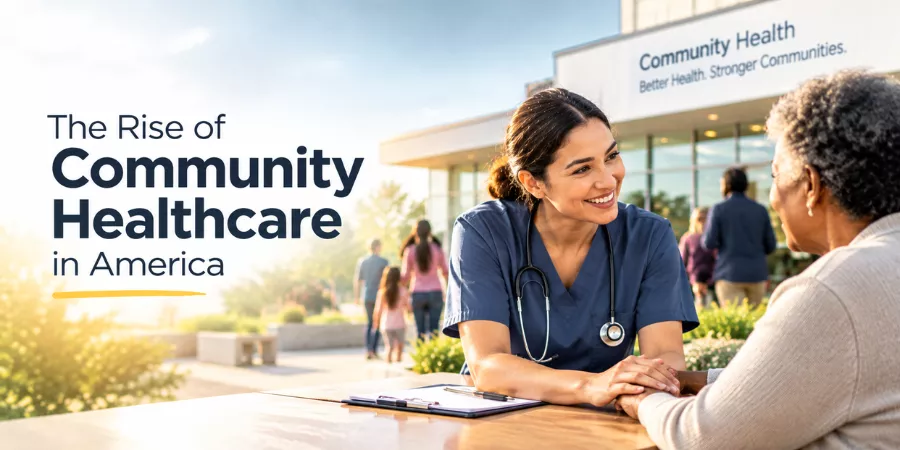
The future of American healthcare may depend on something much closer to home: the community health center.
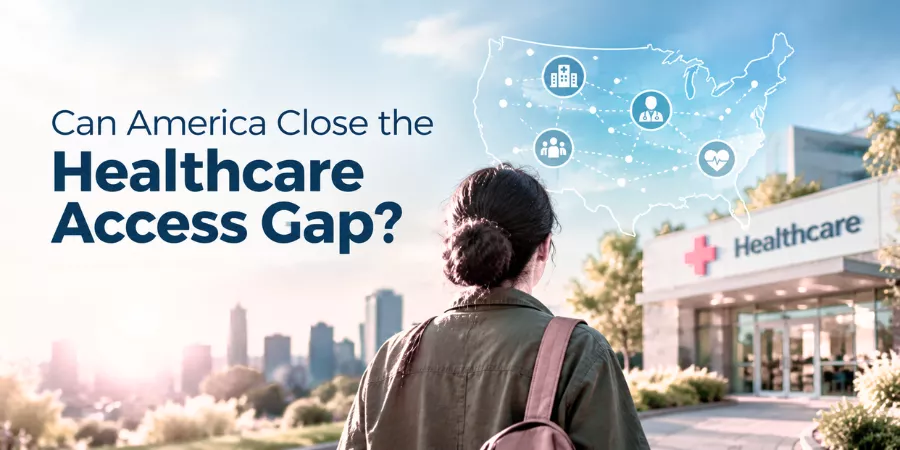
For decades, the U.S. healthcare system has invested heavily in hospitals, specialists, advanced treatments and medical technology. Yet millions of Americans still struggle with a more basic problem, getting timely primary care.
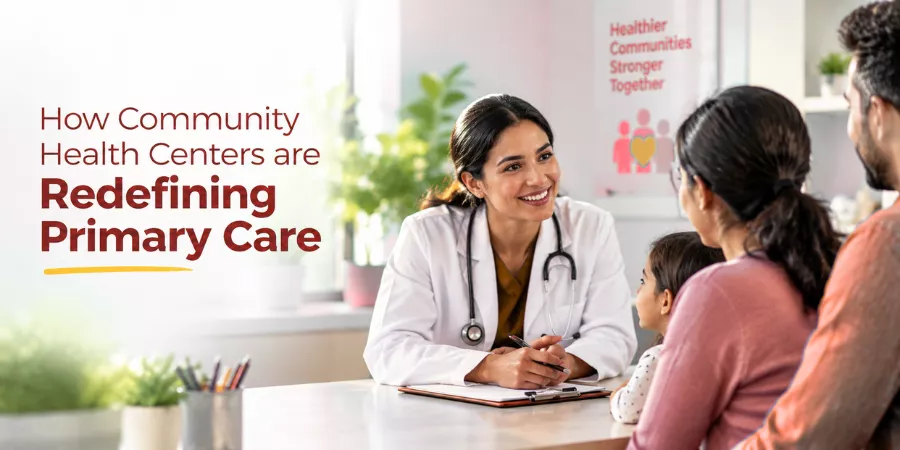
Community healthcare addresses that gap at the local level. It brings doctors, nurses, behavioral health professionals, dentists, social workers and other services closer to the people who need them. In 2025, HRSA-funded health centers served more than 32.7 million people through nearly 1,400 health centers and more than 16,600 service sites.
That scale raises an important question: Can community healthcare change the future of American healthcare?
Why is Community Healthcare Becoming More Important in America?
Healthcare does not begin when someone enters an emergency room. It begins much earlier, with preventive care, regular checkups, vaccinations, screenings, chronic disease management and conversations about mental health.
Community health centers are designed around that idea.
They serve communities where access to traditional healthcare can be difficult, including low-income, rural and medically underserved populations. Their fees are adjusted according to income and family size, and they are required to serve patients even when they cannot pay.
The model also puts patients closer to the center of decision-making. Health centers are community-based and must have governing boards in which a majority of members are patients.
That creates a different relationship between healthcare providers and the communities they serve.
How Many Americans Rely on Community Health Centers?
The numbers show that community healthcare is already a major part of the American healthcare system.
In 2025, more than 32.7 million people received care through HRSA-funded health centers. That included one in eight U.S. children and one in five rural residents. About 90% of health-center patients had incomes at or below 200% of the federal poverty level.
The services extend far beyond routine doctor visits.
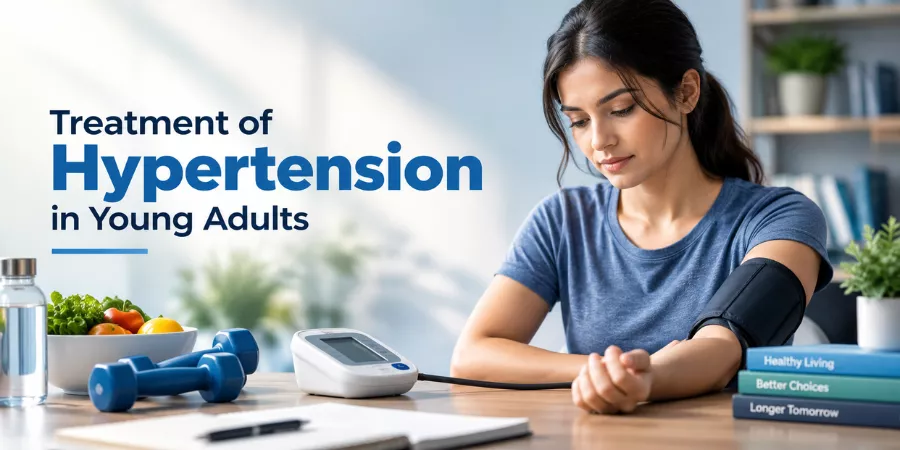
Health centers provide medical and dental care, behavioral health services, substance-use treatment, preventive screenings and support services. In 2025, they provided mental health services to 3.1 million patients and helped more than 3.9 million patients achieve controlled hypertension. More than 2.4 million patients received care for controlled diabetes.
Those figures illustrate why community healthcare matters to more than people who lack insurance. It is part of the country’s broader primary care infrastructure.
Can Community Healthcare Reduce Pressure on Hospitals?
Potentially, and this is one of its most important roles.
Hospitals are essential for emergencies, surgery, intensive treatment and complex medical conditions. They are less suited to being the default destination for every healthcare problem.
A strong community healthcare system can give patients another place to turn before a health problem becomes an emergency.
HRSA reports that health-center patients have better outcomes at lower cost and make less use of expensive healthcare options such as emergency rooms and hospitals.
The logic is straightforward. A patient who can see a primary care provider, receive a screening, manage diabetes or obtain behavioral healthcare locally may be less likely to wait until a condition becomes difficult and expensive to treat.
This does not make community clinics a replacement for hospitals. It makes them an important layer underneath the hospital system.
What Makes Community Healthcare Different from Traditional Medical Care?
The biggest difference is proximity.
A community health center is designed around the needs of the population around it. That can influence its services, operating model and partnerships.
A clinic serving a rural community may face transportation and workforce challenges that look very different from those of a clinic in a major city. A neighborhood with a large immigrant population may need different language and outreach services. Another community may have a greater need for behavioral healthcare or maternal services.
This local approach can make healthcare more responsive.
It can also connect medical care with practical barriers that often determine whether patients actually receive treatment. Some health centers provide transportation assistance, patient support services and discounted prescription drugs through on-site pharmacies.
Can Community Healthcare Help Address the U.S. Primary Care Shortage?
It can be an important part of the response.
Access to primary care remains uneven across the United States, particularly in rural and underserved communities. HRSA has identified shortages involving primary care and behavioral health providers, along with transportation problems, limited appointment availability and operating hours that can make care difficult to reach.
Community health centers already operate in every U.S. state, U.S. territories and the District of Columbia.
Their workforce model can also bring different professionals together rather than expecting one doctor to manage every aspect of a patient’s needs.
That integrated approach becomes increasingly important as Americans live longer with chronic conditions and healthcare becomes more connected to mental health, nutrition, social circumstances and preventive care.
What Challenges Could Hold Community Healthcare Back?
Community healthcare has considerable potential, but expansion is not automatic.
Financial pressure is one of the biggest challenges. The Commonwealth Fund has reported that community health centers have faced rising costs while revenues have not always kept pace.
Workforce shortages create another problem. Opening a clinic does not solve an access problem if there are not enough physicians, nurses, behavioral health professionals and other healthcare workers available to staff it.
Technology and data infrastructure also matter.
Community health centers are increasingly participating in accountable care organizations and value-based care arrangements. In 2024, 62% of surveyed community health centers reported that their largest site participated in an accountable care organization. However, insufficient payment and the organizational changes required for value-based care were among the challenges they reported.
The future of community healthcare therefore depends on more than building additional clinics. It requires sustainable funding, a strong workforce, better technology and payment models that reward prevention and long-term health outcomes.
Conclusion
The most significant change may be a shift in where healthcare happens.
Some care will continue to belong in major hospitals and specialist centers. Other care may increasingly move into neighborhood clinics, rural health centers, schools, mobile units, telehealth platforms and other community settings.
That could create a healthcare system where hospitals remain critical for complex treatment while community providers handle more prevention, early intervention and ongoing care.
The model is already operating at considerable scale. The question for the coming years is whether the United States can strengthen it enough to reach more people without losing the local relationships that make community healthcare valuable.
American healthcare does not have to choose between advanced medicine and community care. The two serve different purposes.
The hospital can save a life during a crisis. A community health center can help prevent that crisis from happening in the first place.
That may be one of the most important ideas shaping the future of American healthcare.