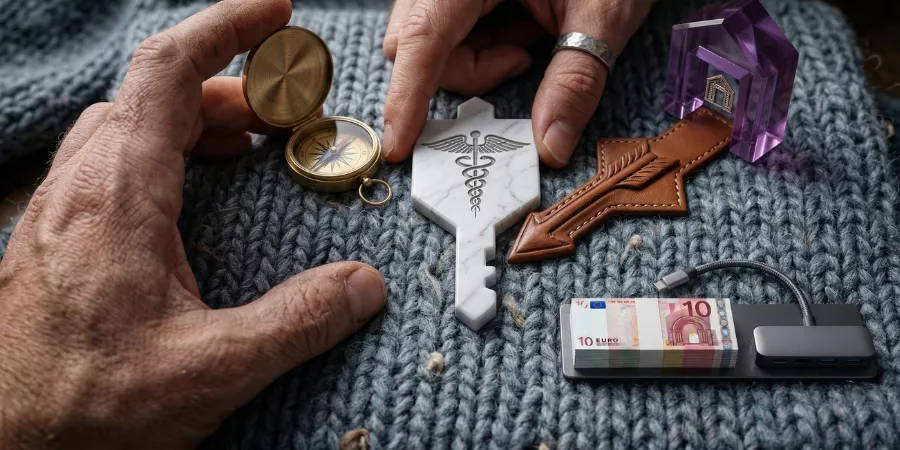
Every man carries a version of himself he has never fully met. Carl Jung called it the Shadow: the collection of traits, impulses, and capacities that the conscious personality has rejected, suppressed, or simply never developed. Shadow work is the deliberate practice of finding, confronting, and integrating those buried parts. It is uncomfortable. It is also one of the most reliably effective practices for breaking self-destructive patterns, deepening relationships, and accessing strengths that have been locked away since childhood. Pair your shadow work practice with your archetype test results for a complete picture of your masculine energy profile.
What Is the Shadow in Jungian Psychology?
The Shadow is not a metaphor for evil. It is the psychological container for everything the ego has rejected in the process of building a socially acceptable identity. That includes genuinely destructive impulses like rage and envy, but it also includes positive qualities like vulnerability, creativity, and sensitivity that were judged as weak or dangerous in the environments where a man grew up.
Jung argued that the energy invested in suppressing the Shadow does not disappear. It goes underground and expresses itself indirectly through projection, compulsive behavior, emotional reactivity, and self-sabotage. The man who insists he never feels fear often drives recklessly. The man who cannot tolerate perceived disrespect is often carrying unprocessed shame. Shadow work makes these connections visible so they can be addressed consciously.
Why Shadow Work Matters Specifically for Men
Men face a particular challenge with shadow integration because many cultures establish rigid expectations about which emotional and behavioral expressions are acceptable for men. Sensitivity, grief, fear, and the need for connection are commonly pushed into the Shadow early in development. The resulting personality is often high functioning on the surface and chronically disconnected underneath.
The consequences accumulate over time. Relationship patterns that keep repeating. Leadership styles that create loyalty through fear rather than trust. Emotional numbness that makes success feel hollow. Physical health problems linked to chronic stress suppression. Shadow work addresses these symptoms at their source rather than managing them indefinitely.
The Four Shadow Patterns Most Common in Men
The Warrior Shadow: Aggression and Emotional Withdrawal
The Warrior archetype’s shadow activates when drive and discipline are pushed to the extreme or used to avoid vulnerability. This produces aggression disguised as standards, emotional withdrawal disguised as strength, and tunnel vision that treats people as obstacles to objectives. The counter-practice is building emotional literacy through structured reflection, not through eliminating drive but through expanding the range of experiences the Warrior will allow himself to feel.
The King Shadow: Control and Paternalism
The King shadow emerges when the archetype’s natural authority becomes entitlement or when his protective instinct becomes suffocating control. King-shadow men often believe they are helping while they are actually preventing others from developing. The counter-practice is deliberate delegation paired with tolerance for results that look different from what the King would have produced himself.
The Magician Shadow: Manipulation and Distance
The Magician shadow uses knowledge and information asymmetry to maintain power rather than to serve others. He withholds, manipulates through selective disclosure, and maintains emotional distance disguised as objectivity. The counter-practice is radical transparency in low-stakes situations. Sharing not just conclusions but the uncertainty, confusion, and emotional experience behind them.
The Lover Shadow: Dependency and Fear of Loss
The Lover shadow clings to connection and uses affection as a control mechanism driven by fear of abandonment. He may become manipulative in intimate relationships or lose himself entirely in another person’s emotional world. The counter-practice is building an independent relationship with his own emotional experience through solo rituals of presence, creativity, and self-inquiry.
Five Practical Shadow Work Practices for Men
Shadow work does not require a therapist, though working with one accelerates the process significantly. These five practices are accessible entry points for men beginning solo shadow integration work.
- Shadow journaling: Write for ten minutes daily on the question: What did I judge harshly in someone today? That judgment almost always reflects a disowned quality in yourself. The pattern becomes visible within two to three weeks of consistent practice.
- Projection mapping: When you feel intense admiration or intense irritation toward someone, ask what quality in them you are either idolizing or condemning. Both responses indicate an archetypal projection that reveals something about your own shadow.
- Body awareness practice: Shadow content is stored in the body before it becomes conscious thought. A daily five-minute body scan practice, noticing tension, constriction, or numbness in different areas, builds the somatic awareness that makes shadow recognition faster.
- Feedback requests: Ask two or three people who know you well to describe the version of you that appears when you are under stress or when you are not at your best. The gap between their description and your self-image reveals your primary shadow expressions.
- Active imagination: Jung’s own technique involves sitting in relaxed awareness and allowing an image representing a shadow quality to emerge, then engaging it in a written dialogue. This practice is profoundly revealing but works best with some prior grounding in self-inquiry or therapeutic support.
How Long Does Shadow Work Take?
Shadow work is a lifelong practice, not a one-time therapeutic event. That said, meaningful shifts in reactivity, relationship quality, and emotional range are typically visible within six to twelve weeks of consistent practice. The initial phase involves recognition, becoming able to notice shadow activation as it is happening rather than hours or days after the fact. The intermediate phase involves choice, being able to pause at the moment of activation and select a different response. The advanced phase involves integration, where formerly shadow qualities become accessible as genuine strengths.
Shadow Work and the Male Archetype Test: Using Both Together
The male archetype test identifies your dominant energy and your shadow profile. Shadow work gives you the practical methodology for actually changing those shadow patterns rather than just understanding them intellectually. Used together, they create a powerful development cycle. The archetype profile tells you which shadow patterns to address first. Shadow work gives you the daily practices to address them. The archetype test, repeated every three to six months, shows you how those patterns have shifted.
Conclusion
The qualities you have most carefully buried are often your greatest untapped capacities. The man who has suppressed his sensitivity has access to profound empathy. The man who has buried his anger has access to fierce protective energy. The man who has hidden his vulnerability has access to genuine intimacy. Shadow work is not about becoming someone different. It is about becoming more fully who you already are by reclaiming what you have left in the dark. Begin with one practice this week. Notice what surfaces. That is where the work starts.