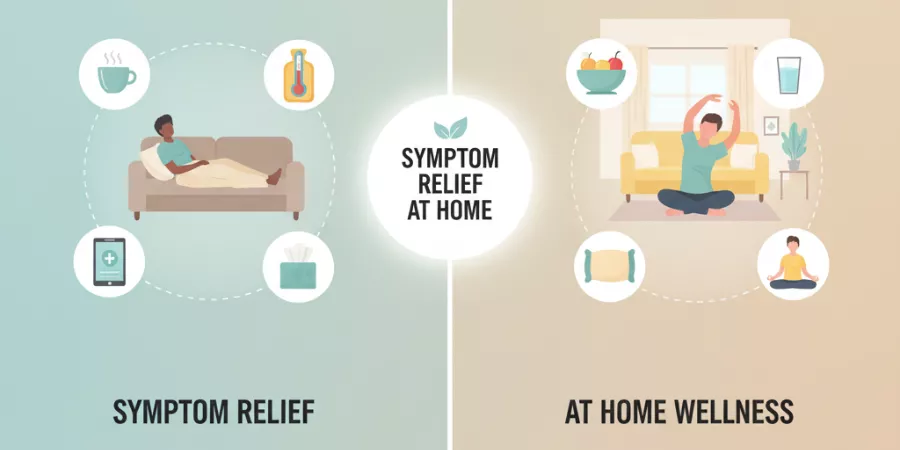
At 2 AM, Sarah woke with a pounding tension headache radiating from her neck to her temples. With no immediate medical care available and reluctant to rely solely on medication, she felt helpless. She didn’t need emergency care she needed effective, evidence-based strategies she could implement immediately to find relief. This scenario plays out millions of times daily as Americans navigate common health symptoms at home, often uncertain which remedies actually work and which are merely folk wisdom.
Effective symptom relief combines understanding what’s causing discomfort with evidence-based interventions that address root causes rather than just masking pain. The global home healthcare market has reached $319 billion, driven partly by increased consumer interest in self-care and non-pharmaceutical interventions. Research increasingly validates what practitioners have long known: Many common symptoms respond remarkably well to properly executed home treatments often matching or exceeding pharmaceutical approaches without side effects.
Yet misinformation abounds. Internet searches return thousands of “miracle cures” lacking scientific basis alongside genuinely effective strategies. Distinguishing evidence-based symptom relief from ineffective remedies requires understanding both the physiology behind common ailments and the mechanisms by which treatments work. This guide provides exactly that practical, research-backed strategies for managing common symptoms at home, with clear guidance on when professional medical care becomes necessary.
Understanding Symptom Relief: When Home Care Works and When It Doesn’t
Before exploring specific strategies, understanding the principles of safe, effective home-based symptom relief helps you make informed decisions about self-care.
Symptoms Appropriate for Home Management:
- Mild to moderate pain (headaches, muscle aches, minor sprains)
- Common cold and flu symptoms
- Minor digestive issues (nausea, heartburn, constipation)
- Stress-related symptoms (tension, mild anxiety, insomnia)
- Minor skin irritations and allergic reactions
- Non-severe back and joint pain
These conditions typically resolve with time and supportive care, responding well to evidence-based home interventions.
Symptoms Requiring Immediate Medical Attention:
| Symptom Category | Red Flags Requiring Emergency Care |
|---|---|
| Chest pain | Pressure, tightness, radiation to arm/jaw, shortness of breath |
| Neurological | Sudden weakness, numbness, vision changes, severe headache, confusion |
| Breathing | Severe difficulty breathing, blue lips/face, inability to speak |
| Abdominal | Severe pain, bloody vomit/stool, rigid abdomen |
| Trauma | Head injury with loss of consciousness, severe bleeding, suspected fractures |
| Other | High fever (>103°F) with confusion, sudden severe pain anywhere, allergic reaction with swelling |
If you’re uncertain whether symptoms warrant emergency care, err on the side of caution seek professional evaluation. Delayed treatment of serious conditions can be life-threatening.
The Science of Home Remedies: Why They Work
Effective symptom relief strategies work through specific physiological mechanisms:
Gate Control Theory (Pain Relief): Non-painful stimuli (heat, cold, massage) can “close the gate” to pain signals reaching the brain explaining why these interventions provide genuine relief beyond placebo effects.
Anti-Inflammatory Effects: Many natural interventions (specific foods, activities, compounds) reduce inflammatory markers that contribute to pain and discomfort.
Autonomic Nervous System Modulation: Techniques affecting breathing, temperature, and relaxation influence the balance between sympathetic (stress) and parasympathetic (relaxation) nervous systems.
Biomechanical Correction: Postural adjustments, stretching, and movement can directly address mechanical causes of discomfort.
Understanding these mechanisms helps you select interventions most likely to address your specific symptoms effectively.
How to Relieve Back Pain at Home: Step-by-Step Strategies
Back pain affects 80% of adults at some point, making it among the most common reasons for missed work and doctor visits. Most non-specific back pain responds well to home treatment.
Immediate Relief Strategies (First 48 Hours):
Step 1: Assess the Pain
- Note pain location, intensity (1-10 scale), and what movements worsen it
- Check for red flags: Numbness/tingling in legs, loss of bowel/bladder control, fever, trauma, or pain that wakes you at night
- If red flags present, seek immediate medical evaluation
Step 2: Apply Cold Therapy
- Use ice pack wrapped in thin towel for 15-20 minutes
- Apply every 2-3 hours during waking hours
- Cold reduces inflammation and numbs acute pain
- Continue cold therapy for first 48-72 hours
Step 3: Maintain Gentle Movement
- Contrary to old advice, bed rest worsens outcomes
- Continue normal activities as tolerated, avoiding movements that sharply increase pain
- Short walks (5-10 minutes every few hours) prevent stiffness
- Research shows people who stay active recover 30% faster than those who rest completely
Ongoing Management (Days 3-14):
Heat Therapy (After 48 Hours):
- Switch to moist heat (warm bath, heating pad, warm compress)
- Apply 15-20 minutes, 3-4 times daily
- Heat increases blood flow, relaxes muscles, and improves flexibility
Targeted Stretching:
Cat-Cow Stretch (Spinal Mobility):
- Start on hands and knees, spine neutral
- Inhale, drop belly, lift chest and tailbone (cow pose)
- Exhale, round spine, tuck tailbone, drop head (cat pose)
- Repeat 10 times, moving slowly and smoothly
Knee-to-Chest Stretch (Lower Back Release):
- Lie on back, knees bent, feet flat
- Bring one knee toward chest, holding behind thigh
- Hold 15-30 seconds, feeling gentle stretch in lower back
- Repeat 2-3 times each leg
Child’s Pose (Spinal Decompression):
- Kneel on floor, sit back on heels
- Fold forward, extending arms in front
- Rest forehead on floor or pillow
- Hold 30-60 seconds, breathing deeply
Posture and Ergonomic Corrections
Many back pain episodes stem from poor posture during daily activities:
Sitting Posture:
- Feet flat on floor or footrest
- Knees at 90-degree angle, slightly higher than hips
- Lower back supported by chair or lumbar roll
- Screen at eye level, 20-26 inches away
- Take standing breaks every 30 minutes
Sleeping Positions:
- Back sleepers: Pillow under knees reduces lower back strain
- Side sleepers: Pillow between knees maintains spinal alignment
- Avoid stomach sleeping: Hyperextends spine and neck
Lifting Technique:
- Bend at knees and hips, not waist
- Keep object close to body
- Engage core muscles before lifting
- Avoid twisting while holding weight
When to Escalate Care:
Seek medical evaluation if:
- Pain persists beyond 4-6 weeks despite home treatment
- Pain progressively worsens rather than gradually improving
- Numbness, tingling, or weakness develops in legs
- Pain severely limits daily activities
- Over-the-counter pain relievers provide no relief
Headache Relief: Identifying Type and Targeted Strategies
Not all headaches respond to the same treatments. Identifying headache type enables targeted relief strategies.
Tension Headache Relief (Most Common Type):
Immediate Strategies:
Peppermint Oil Application:
- Dilute 2-3 drops peppermint oil in 1 tablespoon carrier oil (coconut, almond)
- Massage into temples, forehead, and back of neck
- Research shows topical peppermint oil reduces headache intensity by 32% within 15 minutes comparable to acetaminophen
Cold Compress:
- Apply ice pack wrapped in cloth to forehead or back of neck
- 15-20 minutes provides vasoconstriction reducing pain signals
- Particularly effective for tension headaches with neck tightness
Hydration:
- Dehydration triggers or worsens 34% of headaches
- Drink 16-20 ounces water immediately
- Continue drinking 8-10 ounces hourly until symptoms improve
Progressive Muscle Relaxation:
- Sit comfortably in quiet environment
- Tense muscle groups (fists, arms, shoulders, face) for 5 seconds
- Release completely, noting tension release
- Progress through all major muscle groups
- Finish with 2-3 minutes deep breathing
Preventive Measures:
- Regular sleep schedule (7-9 hours nightly)
- Stress management practices (meditation, yoga, exercise)
- Ergonomic workspace setup reducing neck strain
- Limiting screen time or using 20-20-20 rule (every 20 minutes, look 20 feet away for 20 seconds)
Migraine Relief Strategies
Migraines require different approaches than tension headaches:
During Migraine Attack:
Dark, Quiet Environment:
- Light and sound sensitivity worsen migraine pain
- Lie down in completely dark room
- Use white noise machine or earplugs to block sound
- Cool, quiet environment reduces pain intensity by average 40%
Cold Therapy (Head) + Heat (Neck):
- Ice pack on forehead or eyes
- Heating pad or warm compress on neck and shoulders
- Dual temperature approach addresses vascular and muscular components
Caffeine (Early Stages):
- 100-200mg caffeine (1-2 cups coffee) within first hour of migraine onset
- Constricts blood vessels, enhancing pain reliever effectiveness
- Avoid if you have daily caffeine intake (may worsen migraines long-term)
Ginger Tea:
- Steep 1 tablespoon fresh grated ginger in hot water 10 minutes
- Drink 2-3 cups during migraine
- Study showed ginger powder as effective as sumatriptan for migraine relief with fewer side effects
Prevention (For Frequent Migraines):
- Identify and avoid triggers (common: aged cheese, alcohol, processed meats, artificial sweeteners)
- Magnesium supplementation (400-500mg daily) reduces migraine frequency 41%
- Riboflavin (vitamin B2) 400mg daily decreases migraine days by 50%
- CoQ10 supplementation shows promise in clinical trials
Digestive Symptom Relief: Nausea, Heartburn, and Bloating
Digestive discomfort is among the most common complaints, often responding well to simple interventions.
Nausea Relief Strategies:
Ginger (Most Evidence-Supported):
- Fresh ginger tea, ginger chews, or ginger capsules (250mg)
- Effective for nausea from motion sickness, pregnancy, and post-surgical recovery
- Works by blocking serotonin receptors in gut triggering nausea
Peppermint Aromatherapy:
- Inhale peppermint essential oil directly from bottle or diffuser
- Study showed 44% reduction in nausea severity within 5 minutes
- Particularly effective for post-operative and chemotherapy-related nausea
Acupressure (P6 Point):
- Locate point on inner wrist, three finger-widths from wrist crease, between two tendons
- Apply firm pressure with thumb for 2-3 minutes
- Repeat on both wrists
- Meta-analysis confirms effectiveness for multiple nausea types
BRAT Diet (Once Ready to Eat):
- Bananas, Rice, Applesauce, Toast
- Bland, easily digestible foods that don’t upset stomach
- Gradually introduce other foods as tolerance improves
Heartburn and Acid Reflux Relief
Immediate Relief:
Upright Position:
- Sit or stand upright for 2-3 hours after eating
- Gravity helps keep stomach acid down
- Never lie down immediately after meals
Baking Soda Solution:
- 1/2 teaspoon baking soda in 4 ounces water
- Neutralizes stomach acid quickly
- Use occasionally only (daily use can disrupt electrolyte balance)
Chewing Gum:
- Sugar-free gum for 30 minutes after meals
- Increases saliva production (natural antacid)
- Swallowing reflex clears acid from esophagus
- Studies show 32% reduction in acid reflux symptoms
Long-Term Management:
- Elevate head of bed 6-8 inches (not just pillows)
- Avoid trigger foods (citrus, tomato, chocolate, caffeine, alcohol, spicy foods)
- Eat smaller, more frequent meals
- Finish eating 3 hours before bedtime
- Lose weight if overweight (even 10-15 pounds significantly reduces symptoms)
Cold and Flu Symptom Relief: Evidence-Based Comfort Measures
No cure exists for common cold or flu, but symptom management significantly improves comfort and may shorten duration.
Comprehensive Symptom Management Plan:
| Symptom | Most Effective Relief Strategy | How to Implement |
|---|---|---|
| Congestion | Nasal saline irrigation, steam inhalation | Neti pot or saline spray 3-4x daily; 10-minute steam with towel over head |
| Sore throat | Warm salt water gargle, honey | 1 tsp salt in 8 oz warm water, gargle 30 seconds, 4-6x daily; 1 tbsp honey |
| Cough | Honey, hydration, humidifier | 1 tbsp honey before bed; 8-10 glasses water daily; cool mist humidifier |
| Fever/aches | Rest, fluids, cool compress | Sleep 8-10 hours; fluids to replace fever losses; lukewarm compress to forehead |
| Fatigue | Adequate rest, gradual activity | Listen to body; short walks if able; avoid overexertion |
Nasal Irrigation Technique (Highly Effective for Congestion):
- Prepare solution: 1/4 tsp salt + 1/4 tsp baking soda in 8 oz distilled or boiled (cooled) water
- Fill neti pot or squeeze bottle with solution
- Lean over sink, tilt head sideways
- Pour solution into upper nostril, allowing drainage from lower nostril
- Repeat on opposite side
- Gently blow nose
Research shows nasal irrigation reduces cold duration by 1-2 days and symptom severity by 30-40%.
Immune Support Strategies:
Vitamin C:
- 200mg+ daily at illness onset may reduce duration by 8-14%
- Found in citrus, bell peppers, broccoli, strawberries
- High-dose supplementation (1,000mg) shows modest benefit
Zinc Lozenges:
- 13-23mg elemental zinc lozenges every 2-3 hours while awake
- Start within 24 hours of symptom onset
- Reduces cold duration by 33% on average
- Use for maximum 7 days
Elderberry:
- Standardized extract (300mg, 3x daily)
- Reduces flu duration by 2-4 days in studies
- Avoid if you have autoimmune conditions
Sleep Problems: Natural Strategies for Better Rest
Sleep disturbances affect 50-70 million Americans, with significant impacts on health, mood, and functioning.
Sleep Hygiene Fundamentals:
The 3-2-1 Method:
- 3 hours before bed: Stop eating (prevents reflux, allows digestion)
- 2 hours before bed: Finish work and mentally stimulating activities
- 1 hour before bed: Turn off screens (blue light suppresses melatonin)
Bedroom Optimization:
- Temperature: 65-68°F (cooler than you think)
- Darkness: Blackout curtains or eye mask (any light disrupts sleep)
- Sound: White noise machine or earplugs if noise present
- Mattress/pillows: Replace every 7-10 years; proper support essential
Pre-Sleep Wind-Down Routine:
4-7-8 Breathing (Activates Relaxation Response):
- Exhale completely through mouth
- Close mouth, inhale through nose counting to 4
- Hold breath counting to 7
- Exhale completely through mouth counting to 8
- Repeat 4 cycles
- Triggers parasympathetic nervous system, inducing calm
Progressive Muscle Relaxation:
- Systematically tense and release muscle groups
- Reduces physical tension preventing sleep
- Combined with breathing, effective for 60-70% of insomnia sufferers
Natural Sleep Aids (Evidence-Supported):
- Magnesium: 200-400mg glycinate form 1 hour before bed (muscle relaxation, nervous system calming)
- Melatonin: 0.5-3mg, 30-60 minutes before bed (regulates sleep-wake cycle; start with lowest dose)
- Chamomile tea: 1 cup 30-45 minutes before bed (contains apigenin, mild sedative compound)
- Lavender aromatherapy: Essential oil on pillow or diffuser (reduces anxiety, improves sleep quality)
Stress and Anxiety Symptom Relief: Immediate Interventions
Physical symptoms of stress and anxiety racing heart, shallow breathing, muscle tension respond to specific techniques.
Acute Anxiety Relief (Box Breathing):
- Sit comfortably, close eyes
- Inhale counting to 4
- Hold breath counting to 4
- Exhale counting to 4
- Hold empty lungs counting to 4
- Repeat 5-10 cycles
This technique used by Navy SEALs activates parasympathetic nervous system, rapidly reducing heart rate and blood pressure.
Grounding Techniques (5-4-3-2-1 Method):
When feeling overwhelmed or panicky:
- Name 5 things you can see
- Name 4 things you can touch
- Name 3 things you can hear
- Name 2 things you can smell
- Name 1 thing you can taste
This sensory awareness technique interrupts anxiety spirals by redirecting attention to present moment.
Physical Release Strategies:
Vigorous Exercise (20-30 Minutes):
- Walking, jogging, cycling, dancing
- Burns stress hormones (cortisol, adrenaline)
- Releases endorphins (natural mood elevators)
- Single exercise session reduces anxiety symptoms for 2-4 hours
Cold Water Exposure:
- Splash cold water on face
- Cold shower for 30-60 seconds
- Activates vagus nerve, reducing fight-or-flight response
- Provides immediate physiological reset
When Home Remedies Aren’t Enough: Knowing Your Limits
Home-based symptom relief works remarkably well for appropriate conditions. However, recognizing when professional care becomes necessary protects your health.
Seek Medical Evaluation If:
- Symptoms persist beyond expected timeframes (headache >3 days, back pain >2 weeks, cold >10 days)
- Symptoms progressively worsen despite appropriate home treatment
- New concerning symptoms develop
- Symptoms significantly impair daily functioning
- You’re uncertain whether symptoms are serious
- Over-the-counter remedies provide no relief
Special Populations Requiring Lower Threshold for Medical Care:
- Infants and young children
- Pregnant women
- Adults over 65
- Immunocompromised individuals
- Those with chronic medical conditions
For these groups, seemingly minor symptoms may indicate serious illness requiring prompt evaluation.
Conclusion: Empowered Self-Care Through Evidence-Based Practice
Effective symptom relief at home requires neither expensive equipment nor complex interventions just understanding of what works, why it works, and how to apply strategies properly. When Sarah woke with that tension headache, she needed exactly this knowledge: peppermint oil massage to her temples, a cold compress to the back of her neck, progressive muscle relaxation, and adequate hydration. Within 45 minutes, her headache intensity dropped from 8/10 to 3/10 manageable without medication.
This represents healthcare’s ideal: knowledgeable patients applying evidence-based interventions for conditions appropriately managed at home, reserving medical resources for situations truly requiring professional expertise. The 80% of health outcomes determined by lifestyle and self-care rather than medical intervention underscores home symptom management’s critical importance.
Yet empowerment requires wisdom knowing not just what works but when home treatment suffices and when professional care becomes necessary. The most dangerous scenario isn’t trying home remedies that don’t work; it’s delaying necessary medical care by attempting to manage serious conditions at home. The guidance throughout this article emphasizes both: effective strategies for appropriate symptoms, and clear markers indicating when to seek professional evaluation.
Your body provides remarkable healing capacity when supported properly. Back pain resolves faster with continued movement than bed rest. Headaches respond to simple interventions like hydration and cold compresses. Digestive discomfort often improves with basic dietary adjustments. Sleep quality transforms through consistent routines and environmental optimization. These aren’t alternative medicine they’re evidence-based interventions validated by research and recommended by mainstream medical organizations.
The key is discernment: approaching symptoms thoughtfully, applying appropriate interventions correctly, monitoring response, and knowing when home management reaches its limits. With this knowledge, you’re equipped to manage common health issues effectively at home while recognizing when professional medical care becomes necessary the balance that defines excellent self-care.
Remember: This article provides general information about symptom relief. It does not replace professional medical advice. If you’re uncertain about symptoms or concerned about your health, consult a qualified healthcare provider. When in doubt, seek evaluation healthcare professionals would rather assess symptoms that turn out minor than miss serious conditions due to delayed care.
Medical Disclaimer: This article is for informational and educational purposes only and does not constitute medical advice, diagnosis, or treatment. Always consult with a qualified healthcare provider before starting any treatment, changing your healthcare regimen, or if you have questions about a medical condition. The symptom relief strategies discussed are for common, non-emergency health issues. Seek immediate medical attention for severe, worsening, or concerning symptoms. Never disregard professional medical advice or delay seeking it because of information in this article. If you are experiencing a medical emergency, call 911 or go to the nearest emergency room immediately. Information is current as of October 2025.
Sources:
- The Journal of Pain – “Gate Control Theory of Pain: Evidence and Clinical Applications”
- Annals of Internal Medicine – “Noninvasive Treatments for Acute, Subacute, and Chronic Low Back Pain”
- Headache: The Journal of Head and Face Pain – “Topical Peppermint Oil for Tension Headache Treatment”
- American Journal of Gastroenterology – “Natural Remedies for Nausea: Systematic Review and Meta-Analysis”
- Cochrane Database of Systematic Reviews – “Nasal Saline Irrigation for Acute Upper Respiratory Tract Infections”
- Sleep Medicine Reviews – “Cognitive Behavioral Therapy for Insomnia: Evidence Base and Clinical Applications”
- JAMA Internal Medicine – “Zinc for the Common Cold: Meta-Analysis of Randomized Controlled Trials”
- Mayo Clinic Proceedings – “Evidence-Based Approaches to Symptom Management in Primary Care”