Stress is part of ordinary life. A deadline, difficult conversation, financial worry or a major change can put the body into a heightened state of alert. The problem begins when that state becomes the norm and there is little opportunity to recover.
The answer is not to eliminate every stressful situation. That is rarely possible. Better stress management techniques help you respond differently, recover sooner and recognise when the pressure has become too much.
The World Health Organization estimates that depression and anxiety alone account for 12 billion lost working days every year, costing the global economy about US$1 trillion in lost productivity.
The most useful approaches are often surprisingly ordinary: moving your body, sleeping properly, slowing your breathing, talking to someone you trust and making practical changes to the source of the stress.
What are the Most Effective Stress Management Techniques?
There is no single technique that works for everyone. Research and guidance from organisations including the WHO, American Psychological Association and National Center for Complementary and Integrative Health support a combination of physical activity, relaxation, mindfulness, cognitive strategies, social support and practical changes to stressful situations.
Below are 10 approaches worth trying.
1. Move your body regularly
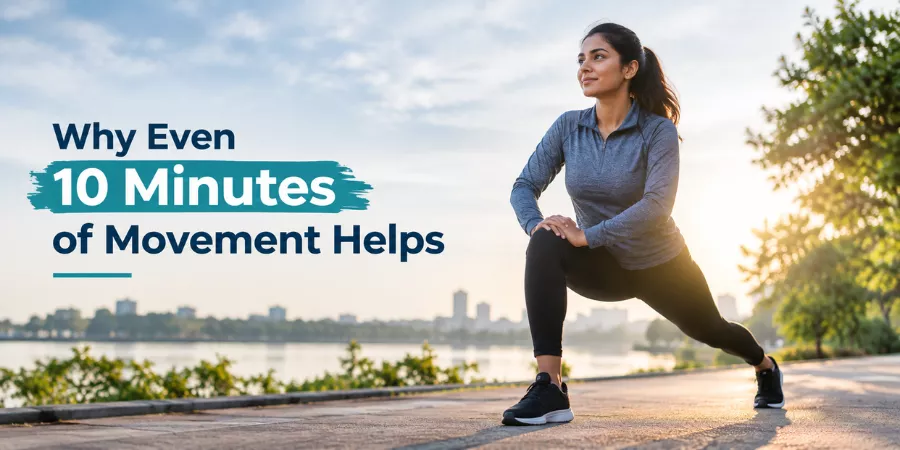
Exercise is one of the simplest ways to give the body somewhere to put all that built-up tension.
You do not need an intense workout. Walking, cycling, swimming, strength training, running or yoga can all provide an opportunity to step away from whatever has been occupying your mind.
WHO specifically recommends opportunities for leisure-based physical activity, including walking, aerobic exercise, strength training and yoga, as an option for improving mental health and work ability.
The important part is consistency. A 20-minute walk that actually happens is more useful than an ambitious fitness plan abandoned after a week.
2. Slow your breathing
When people are stressed, breathing can become faster and shallower without them noticing.
Slow, deliberate breathing can help interrupt that physical response. Diaphragmatic breathing, sometimes called deep abdominal breathing, is one of the relaxation techniques studied for stress.
NCCIH notes that a 2019 review of three studies involving 880 participants found preliminary evidence that diaphragmatic breathing may help reduce stress, including changes in measures such as cortisol and blood pressure.
Try sitting comfortably, relaxing your shoulders and taking slow breaths without forcing them. Even a few minutes can create a pause between the stressful event and your reaction to it.
3. Make sleep part of the solution
It is difficult to cope well when you are permanently tired.
Stress can interfere with sleep, and poor sleep can make it harder to regulate emotions, concentrate and deal with the next day’s problems. That can create a frustrating cycle.
The CDC recommends that adults get at least seven hours of sleep a night and suggests keeping a consistent sleep and wake schedule.
Instead of treating sleep as the thing you will get to after everything else is finished, treat it as part of your recovery.
4. Practice mindfulness
Mindfulness does not require clearing your mind completely. It is more about noticing what is happening without immediately getting pulled into it.
For someone caught in a loop of “what if” thoughts, that small distinction can matter.
Research reviewed by NCCIH suggests mindfulness practices may help reduce symptoms of stress, anxiety and depression and may improve sleep.
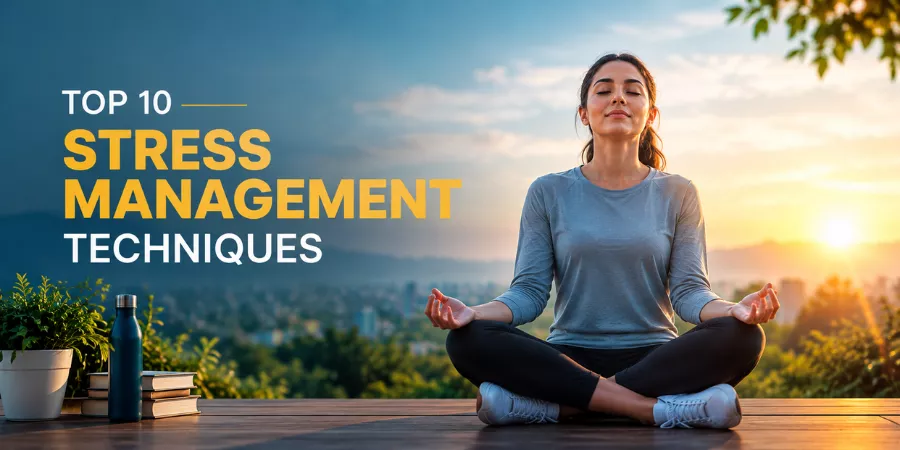
You can begin with five minutes. Sit quietly, pay attention to your breathing and notice when your thoughts wander. You do not have to fight the thoughts; simply return your attention to the present.
5. Challenge the thought, not yourself
Stress is not caused only by what happens. The meaning we attach to what happens can make the response stronger.
A missed deadline can become “I have completely failed” in someone’s mind. A difficult email can turn into “Everyone at work is unhappy with me.”
One of the useful stress management techniques is to examine those automatic conclusions.
Ask:
- What actually happened?
- What am I assuming?
- Is there another reasonable explanation?
- What can I do about the situation?
- What is outside my control?
Cognitive behavioural approaches are among the psychosocial approaches WHO says may be considered to build workers’ stress-management skills and reduce emotional distress.
6. Deal with the source of the stress
Sometimes relaxation is not the answer because the problem is still sitting on your desk.
If your workload is impossible, taking five minutes to meditate will not fix the workload. If you are constantly agreeing to responsibilities you cannot handle, another breathing exercise will not solve the underlying problem.
The APA recommends looking at whether a stressful situation can actually be changed, including dropping responsibilities, asking for help or adjusting unrealistic standards.
This is one of the most overlooked stress management techniques: reduce the pressure where you can instead of simply becoming better at tolerating it.
7. Stay connected to people
Stress tends to become heavier when it stays entirely inside your own head.
Talking to a friend, family member, colleague or another trusted person can provide emotional support, practical help or simply a different perspective.
The CDC notes that strong social connections can improve a person’s ability to manage stress, anxiety and depression and can support better sleep and overall well-being.
You do not necessarily need advice. Sometimes being heard is enough to make a difficult day feel more manageable.
8. Use progressive muscle relaxation
Stress does not only live in the mind. The body often holds onto it through clenched jaws, raised shoulders, tight backs and tense muscles.
Progressive muscle relaxation works by deliberately tensing and then releasing different muscle groups.
NCCIH describes it as one of several relaxation techniques that can activate the body’s relaxation response. Research suggests it may help with stress and can also benefit some symptoms of anxiety and depression.
It can be particularly useful for people who find sitting still and “clearing their mind” difficult.
9. Build a realistic routine
A routine will not make life stress-free, but it can reduce the number of decisions competing for your attention.
Regular meals, movement, sleep, breaks and time away from screens create predictable points of recovery during the day.
For people dealing with stress management in the workplace, this can be as simple as taking an actual lunch break, avoiding back-to-back meetings where possible or deciding when the working day ends.
WHO recommends organisational measures as well as individual interventions because workplace stress cannot always be solved by asking employees to become more resilient. Excessive workloads, low job control, poor support and other working conditions can themselves create psychological risks.
10. Know when you need more than self-help
Self-care has its place, but it should not become another reason to struggle alone.
If stress is persistent, affecting your sleep or relationships, making it difficult to function or accompanied by significant anxiety or low mood, speaking with a healthcare professional is appropriate.
For some people, structured psychological support such as cognitive behavioural therapy or other evidence-based interventions may be more useful than trying one technique after another.
The WHO’s 2026 guidance also recognises individually delivered psychological self-help as an evidence-based way to expand access to mental health support.
What is Critical Incident Stress Management?
Critical incident stress management is a broader crisis-support approach developed for people exposed to traumatic or highly stressful events, particularly in settings such as emergency services.
It can involve preparation, crisis support, individual assistance, organisational support and referral for further care.
It is important, however, not to confuse the wider approach with psychological debriefing.
WHO specifically recommends against using psychological debriefing after potentially traumatic events as a way of preventing PTSD, because the evidence does not show that it provides that preventive benefit.
After a traumatic event, people should be offered practical support, safety, appropriate follow-up and access to professional care when needed rather than being pressured to recount the experience.
What are the Benefits of Stress Management?
The benefits of stress management go beyond simply feeling calmer for a few minutes.
Effective approaches can help people handle emotional distress, improve sleep, support mental well-being and function more effectively at work. WHO’s review found that mindfulness- and cognitive-behavioural-based interventions may improve workers’ mental health and work effectiveness, while physical activity may improve work ability.
There is also a practical benefit: learning what helps you recover gives you more options the next time life becomes difficult.
How Can Stress Management in the Workplace Actually Work?
Good stress management in the workplace cannot be reduced to meditation apps and resilience workshops.
Employers also need to look at the conditions producing the stress.
WHO identifies excessive workloads, long hours, low control, job insecurity, discrimination, bullying and inadequate support among workplace factors that can threaten mental health. Its guidance recommends organisational measures alongside individual support.
That might mean changing workloads, improving schedules, giving employees more control, strengthening communication or training managers to recognise and respond to mental-health concerns.
An employee cannot breathe their way out of an unreasonable workload.
Which Stress Management Technique Should You Try First?
Start with the technique that addresses the kind of stress you are actually experiencing.
If your body feels constantly tense, try movement or progressive muscle relaxation. If your thoughts will not slow down, breathing or mindfulness may help. If work is the problem, look at workload, boundaries and support. If you feel isolated, talk to someone.
You do not need to practise all 10 stress management techniques at once.
Pick one that feels realistic enough to use today. Then notice whether it makes a difference.
Stress is not always something to defeat. Sometimes it is information—a sign that something in your routine, environment or expectations needs attention.
Frequently Asked Questions
What is the fastest way to reduce stress?
Slow breathing, a short walk, stepping away from the immediate stressor and talking to someone you trust can provide a useful short-term reset. For persistent stress, addressing the underlying cause is usually more important than finding a quick fix.
How long does it take for stress management techniques to work?
It varies. Some relaxation practices can produce a sense of calm during or shortly after practice, while changes from exercise, mindfulness or psychological interventions may require regular practice over time. Research does not support one universal timeline.
Can stress management prevent burnout?
It can help, but individual coping strategies are only part of the picture. Burnout can be driven by working conditions, including excessive workload and insufficient control or support. Organisational changes may therefore be necessary alongside individual strategies.
When should I seek professional help for stress?
Seek professional support when stress becomes persistent, interferes with everyday functioning or is accompanied by significant anxiety, depression or other concerning symptoms. If you are in immediate danger or thinking about harming yourself, seek emergency or crisis support in your area.
Key Takeaways
- Stress management works best as a habit, not a quick fix. Regular exercise, adequate sleep, relaxation techniques, mindfulness and social support can help the body recover from ongoing stress.
- Exercise is one of the simplest ways to manage stress. You do not need an intense workout; regular walking, yoga, cycling or other physical activity can support mental well-being and help reduce tension.
- Slow breathing can help calm the body’s stress response. Research reviewed by NCCIH found preliminary evidence that diaphragmatic breathing may reduce stress, including changes in cortisol and blood pressure.
- Workplace stress cannot always be solved with personal coping strategies. Excessive workloads, limited control, poor support and unhealthy working conditions can contribute to stress, making organisational changes important alongside individual stress management techniques.
- Persistent stress deserves attention. If stress does not go away or begins affecting daily life, sleep or mental health, self-help techniques should not replace professional care.