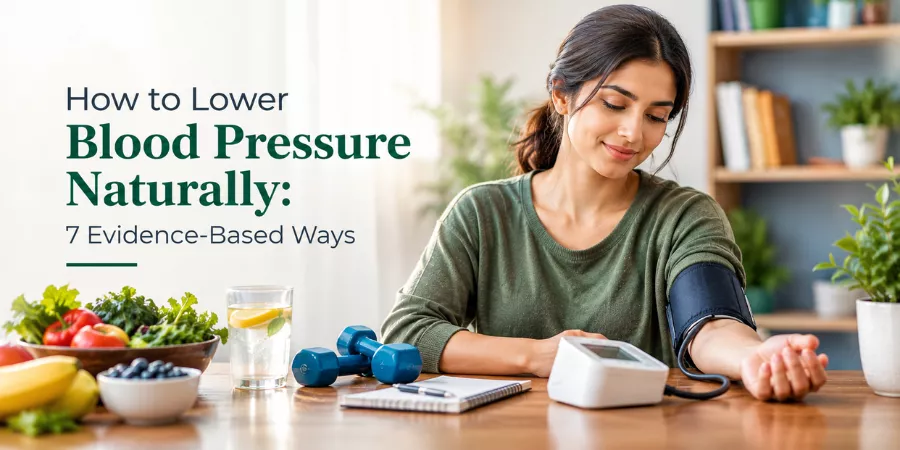
Lowering blood pressure naturally means reducing blood pressure readings through daily habits such as eating less sodium, exercising regularly, sleeping well and limiting alcohol, instead of relying on medication alone. It works best for people with elevated or mildly high readings, and it supports treatment for people who already take medication.
High blood pressure, also called hypertension, often develops quietly while work demands grow. Long meetings, frequent business travel, restaurant dinners, short sleep and little exercise all push in the wrong direction. Over time, uncontrolled hypertension raises the risk of heart disease, stroke and kidney damage.
If you are looking for how to lower blood pressure naturally, you probably want three answers. Which changes have the strongest evidence? How can they fit into a full schedule? And when does a doctor need to step in? This guide answers all three. The most dependable approach combines steady habits with accurate blood pressure monitoring. No single food, supplement or trick does the job alone.
The National Heart, Lung, and Blood Institute (NHLBI) states that the DASH eating plan and lower sodium intake work together to improve blood pressure. The American Heart Association (AHA) also recommends regular physical activity, weight management where appropriate and limited alcohol.
What Counts as High Blood Pressure?
Blood pressure is the force of blood against artery walls, written as two numbers: systolic (when the heart beats) over diastolic (between beats). Under the 2017 American College of Cardiology and AHA guidelines, a reading of 130/80 mmHg or higher is classed as hypertension.
Some other guidelines, including those used in parts of Europe, use 140/90 mmHg as the threshold. Ask your doctor which standard applies to you, because it affects when treatment begins.
Also read: What Causes High Blood Pressure in Young Adults?
1. Follow the DASH Diet and Reduce Sodium
The Dietary Approaches to Stop Hypertension (DASH) eating plan is one of the most thoroughly studied diets for high blood pressure. It centres on vegetables, fruits, whole grains, beans, nuts, fish, lean proteins and low-fat dairy, and it limits saturated fat and added sugar.
Sodium reduction strengthens the effect. The NHLBI recommends keeping sodium below 2,300 milligrams per day, and 1,500 milligrams may lower blood pressure further. In the DASH-Sodium trial, participants who combined the DASH diet with the lowest sodium level saw the largest drops, and the reduction was greater among people who already had hypertension.
Most professionals we would describe as “careful eaters” still struggle here, because the problem is rarely the salt shaker. It is the food around the working day. A single restaurant main course with sauce, a packaged sandwich or an instant noodle cup can contain most of a full day’s sodium allowance. Since bread, cured meats, sauces and soups are the biggest hidden sources, the dish that tastes least salty is not always the lowest in sodium.
Practical changes:
- Ask for sauces and dressings on the side.
- Compare the sodium figure on nutrition labels before buying packaged food.
- Swap salty snacks for unsalted nuts or fresh fruit.
- Eat more potassium-rich foods such as bananas, lentils, spinach and potatoes, which help the body clear sodium. People with kidney disease or those taking certain blood pressure medicines should check with a doctor first, because too much potassium can be harmful.
These natural ways to lower blood pressure become far easier to keep when the healthier choice is already built into your work routine.
2. Make Regular Exercise Part of the Calendar
Regular exercise strengthens the heart so it pumps with less effort, and over time this lowers the pressure on artery walls. The AHA recommends at least 150 minutes of moderate-intensity aerobic activity each week, or 75 minutes of vigorous activity, plus muscle-strengthening exercise.
You do not need long gym sessions to begin. Brisk walking, cycling and swimming all count toward the weekly target.
Practical changes:
- Schedule a 20- to 30-minute brisk walk on most workdays.
- Take short walking breaks between meetings and walk during calls that do not need a screen.
- Use stairs when practical.
Consistency matters more than intensity. A steady routine of moderate activity does more for hypertension prevention than one exhausting workout after a week at a desk. If you have been inactive or have a heart or joint condition, start gently and ask a doctor about a safe level.
3. Manage Weight Where Appropriate
Extra body weight raises blood pressure for many people, and gradual weight loss can improve readings while reducing other cardiovascular risks. No single weight target suits everyone. Age, medical history, body composition and other conditions all shape what is sensible. Crash diets are hard to maintain and can cause their own problems.
Practical changes:
- Start with moderate portions, balanced meals and regular movement.
- Track habits, such as meals cooked at home or walks completed, instead of reacting to daily changes on the scale.
- Ask a doctor or registered dietitian to help set a realistic plan.
When you think about how to reduce high blood pressure, treat weight as one part of the plan. Do not wait to lose weight before making the other changes in this guide.
4. Limit Alcohol and Review Caffeine Habits
Alcohol raises blood pressure, especially with frequent or heavy drinking. The AHA advises that adults who drink should limit intake to no more than one drink a day for women and two for men, and cutting back further may help more. People who do not drink should not start for heart benefits.
Caffeine needs a more personal approach. It can cause a short rise in blood pressure in some people, while its long-term effect varies. Coffee shortly before a reading can also make the result look higher than your usual level.
Practical changes:
- Count how many drinks you have at business dinners and social events in a typical week. The total is often higher than people expect.
- Avoid caffeine for at least 30 minutes before measuring blood pressure.
- Discuss repeated high readings, or any worry about caffeine, with a healthcare professional.
5. Build Stress Management into the Working Day
Stress activates the body’s fight-or-flight response, which can raise blood pressure for a while. Deadlines, difficult conversations, financial decisions and constant notifications also push people toward habits that harm the heart, such as skipped meals, extra alcohol and less sleep.
Stress management helps, but it is not a proven treatment for persistent hypertension, and the evidence for individual relaxation techniques varies in strength.
Practical changes:
- Take five minutes between demanding meetings to slow your breathing, look away from your screen or walk outdoors.
- Try mindfulness or relaxation exercises if they suit you.
- Set clearer limits on working hours.
For senior leaders, recovery works best when it is scheduled, not left for a quiet moment that rarely arrives. Short breaks make a hard day more manageable, but they do not replace treatment for high blood pressure.
Also read: Journaling for Stress Relief: How Brain Dumps and Gratitude Lists Can Help
6. Protect Sleep and Keep a Consistent Routine
Sleep and blood pressure are closely linked. Short sleep, poor sleep and sleep disorders such as obstructive sleep apnoea all add to cardiovascular risk. Most adults need at least seven hours a night, although needs differ.
Late emails, time-zone changes, early meetings and irregular hours disrupt sleep. Loud, persistent snoring, gasping during sleep or heavy daytime tiredness may point to sleep apnoea, which is worth checking because treating it can help blood pressure control.
Practical changes:
- Keep a steady bedtime and wake-up time, including after travel where possible.
- Reduce screen use late in the evening.
- Avoid scheduling work that repeatedly eats into sleep.
- Talk to a healthcare professional if sleep problems continue.
Better sleep supports overall health and may help blood pressure, but it should not be the only measure used to control diagnosed hypertension.
7. Monitor Blood Pressure Correctly
Hypertension usually causes no symptoms. A person can feel energetic, perform well at work and still have persistently high readings. This is why blood pressure monitoring matters as much as any lifestyle change.
Stress, recent exercise, caffeine, smoking, a full bladder and poor posture can all change a reading. One high result does not confirm hypertension, but it should not be ignored either.
The US Centers for Disease Control and Prevention (CDC) recommends these steps for an accurate home reading:
- Use a validated automatic monitor with an upper-arm cuff of the right size.
- Avoid caffeine, smoking and exercise for at least 30 minutes beforehand.
- Empty your bladder and sit quietly for at least five minutes.
- Keep your back supported, feet flat on the floor and legs uncrossed.
- Rest your bare arm on a surface at heart level.
- Do not talk during the measurement.
- Take two readings, one to two minutes apart, and record both.
An Illustrative Example:
Consider a 46-year-old sales director who travels three weeks a month. His clinic reading is 138/88 mmHg, and his doctor asks for a week of home monitoring before deciding on treatment. The log shows evening readings noticeably higher than morning ones, on days he eats late restaurant meals and has two glasses of wine. After four weeks of requesting sauces on the side, walking between airport gates and stopping alcohol on weekdays, his home average comes down. Whether his pressure falls enough still depends on his own risk factors, and his doctor reviews the log instead of guessing. This is a composite example for illustration, not a clinical case, and individual results vary.
A Practical Seven-Day Starting Plan
This plan builds a few repeatable habits without changing your whole schedule.
| Day | Action |
| Day 1 | Check your blood pressure using the correct technique and start a log. |
| Day 2 | Review packaged foods, snacks and restaurant meals for sodium. |
| Day 3 | Schedule a brisk walk and identify chances for movement breaks. |
| Day 4 | Make one DASH-style meal change, such as adding vegetables and whole grains. |
| Day 5 | Review alcohol and caffeine habits, especially around measurements. |
| Day 6 | Set a consistent bedtime and allow enough time for sleep. |
| Day 7 | Review your readings and habits, then book medical advice if readings stay high. |
This plan is a starting point. It is not a treatment programme, and it does not promise a particular drop in seven days. Keep the habits going beyond the first week and share your measurements with a healthcare professional.
When Are Natural Methods Not Enough?
Lifestyle changes can prevent or delay hypertension and improve control, but they are not enough for everyone. Whether you need medication depends on your blood pressure level, your overall cardiovascular risk and conditions such as diabetes, heart disease or kidney disease.
- If your readings are repeatedly high, arrange a medical assessment instead of waiting to see whether habits will fix it.
- If you already take blood pressure medication, do not lower the dose or stop it without speaking to your prescriber.
- Treat supplements, detox drinks and claims that one food or breathing technique will quickly normalise blood pressure with caution. Some supplements and over-the-counter medicines, including certain decongestants and anti-inflammatory painkillers, can interact with treatment or raise blood pressure.
When to seek urgent help: If a reading is above 180 systolic or 120 diastolic, wait at least one minute and measure again. If it is still that high, contact a healthcare professional immediately. If you also have chest pain, shortness of breath, weakness, numbness, vision changes or difficulty speaking, call your local emergency number straight away. Do not wait for the reading to fall on its own.
Author’s Note:
- Being more mindful of my health: I realised that work, stress and daily responsibilities should not come at the expense of my well-being.
- Making healthier food choices: I began paying closer attention to my meals, particularly sodium intake and the balance of nutritious foods.
- Making movement a priority: I recognised the importance of regular physical activity, even when my schedule was demanding.
- Managing everyday stress: I started making more room for breaks and relaxation instead of allowing work pressure to dominate my routine.
- Taking sleep seriously: I became more conscious of maintaining a consistent sleep schedule and allowing my body enough time to rest.
- Monitoring my blood pressure: I learnt that feeling fine does not necessarily mean blood pressure is under control, making regular, accurate measurements important.
- Understanding the importance of medical advice: I realised that lifestyle changes can support blood pressure management, but professional guidance and medication may still be necessary.
My biggest takeaway was that looking after my health requires consistency, patience and informed decisions rather than quick fixes.
Frequently Asked Questions
Can blood pressure be lowered naturally without medication?
For some people with elevated or mildly high readings, yes. Many people with established hypertension still need medication alongside lifestyle changes, and your doctor can tell you which group you fall into.
How long does it take to lower blood pressure naturally?
Some people see a change within a few weeks of cutting sodium and exercising regularly, but results differ. Track home readings over several weeks instead of judging by a single day.
What is the fastest natural way to lower blood pressure?
Reducing sodium is often among the quickest changes to affect readings. No natural method replaces emergency care when readings are dangerously high.
Does stress cause permanent high blood pressure?
Stress can raise blood pressure temporarily. Its long-term role is less clear, but the habits that often come with stress, such as poor sleep and heavy drinking, do contribute to sustained hypertension.
Conclusion
Learning how to lower blood pressure naturally is a long-term commitment to habits with solid evidence behind them. A DASH-style diet, lower sodium, regular exercise, sensible weight management, limited alcohol, better stress control, enough sleep and accurate monitoring all work together to protect the heart. For busy professionals, the best starting point is a routine that fits real working conditions and can be kept up. Pair these changes with proper medical care so that your blood pressure is managed safely.